
• Home
  • About
    • Mission and Funding
    • Our People
    • 990 Filings
    • Governance and Disclosure Statements
  • Our Work
    • Areas of Expertise
    • Publications
    • Testimonials
  • Jobs
    • Internships
    • Careers
  • Pro Bono Fund
    • Pro Bono Fund
    • Donate
  • Seminars
    • Upcoming Seminars
    • Seminar Archive
  • Resources
    • Maps Archive
    • Equity Resources
    • Newsletters
    • Blog
Applied Economics Clinic
  • Home
  • About
    • Mission and Funding
    • Our People
    • 990 Filings
    • Governance and Disclosure Statements
  • Our Work
    • Areas of Expertise
    • Publications
    • Testimonials
  • Jobs
    • Internships
    • Careers
  • Pro Bono Fund
    • Pro Bono Fund
    • Donate
  • Seminars
    • Upcoming Seminars
    • Seminar Archive
  • Resources
    • Maps Archive
    • Equity Resources
    • Newsletters
    • Blog

Assessing the Net Emissions Benefit for Clean Energy Facilities in Rochester, Massachusetts

Client: New Leaf Energy, Inc.

Authors:
Joshua R. Castigliego and Jordan Burt, PhD

November 2025

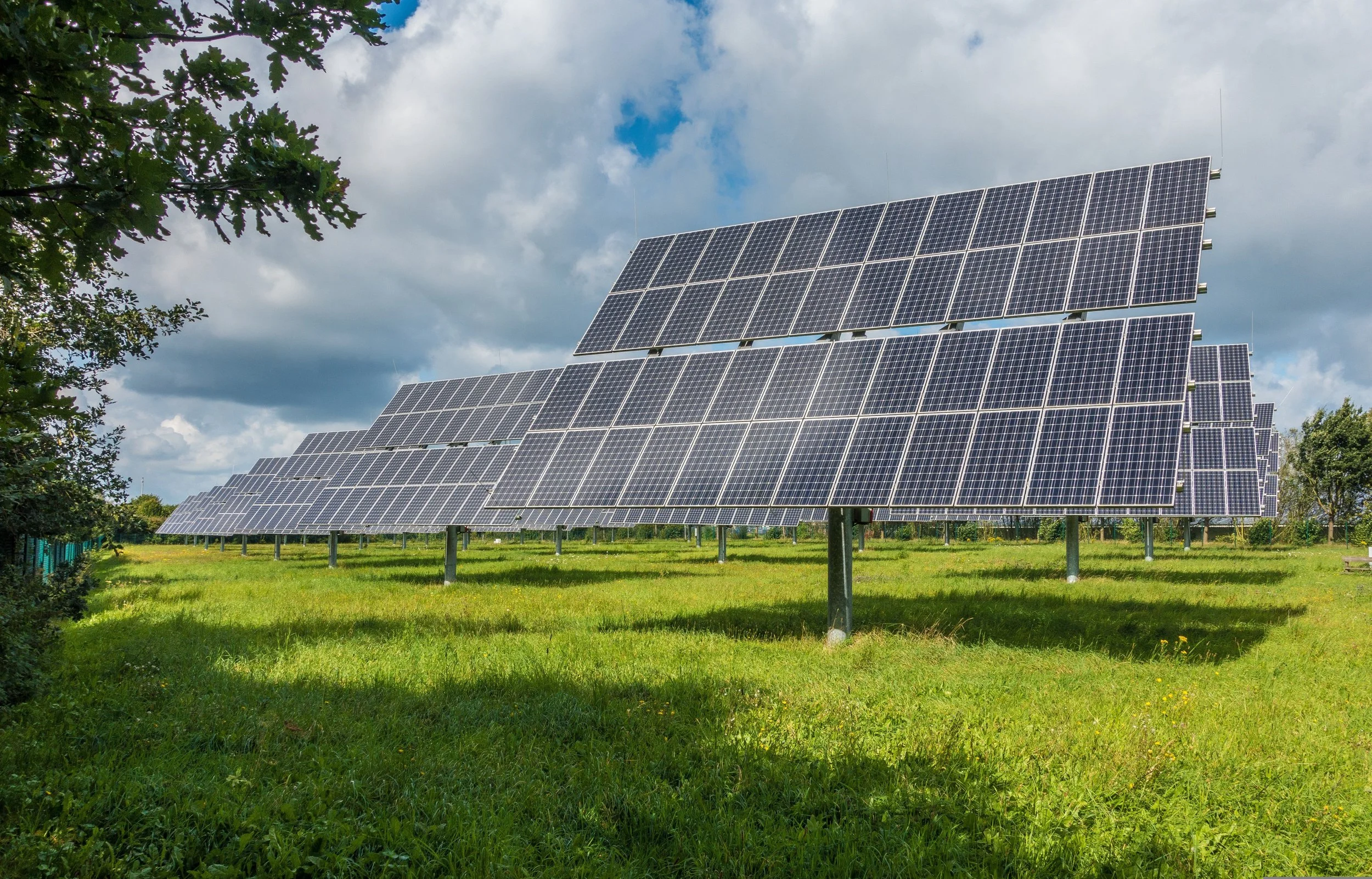
On behalf of New Leaf Energy, Inc., Senior Researcher Joshua R. Castigliego and Researcher Jordan Burt, PhD conducted an analysis estimating the net change in carbon dioxide (CO2) emissions associated with New Leaf Energy’s two proposed clean energy facilities on High Street in Rochester, Massachusetts. Each proposed facility will house solar photovoltaics (PV) and an energy storage system (ESS) (collectively referred to as a “PV+ESS facility”). Development of Site A requires clearing approximately 23.5 acres of forested land, while Site B requires clearing of approximately 20.6 acres.

AEC estimated the net emission impact of the Site A and Site B PV+ESS facilities by combining (1) “positive” CO2 emissions savings (i.e., reduced emissions) from the electric grid due to renewable energy generation and (2) “negative” CO2 emissions (i.e., increased emissions) due to land-use conversion from forestland to grassland. When these two factors are considered together, the proposed facilities yield substantial net emissions savings (i.e., reduced emissions). AEC’s analysis indicates that the facilities’ grid emissions reductions would outweigh added, by a factor 4.9 times greater for Site A and 4.3 times greater for Site B.

Link to Site A Report

Link to Site B Report

Return to Our Work

tags: Joshua-Castigliego, Jordan Burt, Renewable Energy, Net emissions and avoided emission analysis
Wednesday 11.19.25
Posted by Liz Stanton
 

Benefits of Net Zero Buildings: Comfort, Safety, Value, Climate

MCAN graphic.jpg

Client: Massachusetts Climate Action Network (MCAN)

Authors: Bryndis Woods and Eliandro Tavares

January 2020

On behalf of the Massachusetts Climate Action Network (MCAN), AEC has prepared a policy brief that presents a summary of the benefits of Net Zero buildings, such as enhanced health and comfort, home durability and safety, better value, and positive climate effects. A Net Zero building produces at least as much renewable energy in a year as it consumes, and the technology is currently ready for implementation.

Link to Policy Brief

Return to Our Work

tags: Bryndis-Woods, Eliandro-Tavares, Renewable Energy
categories: Clean Energy, Greenhouse Gas Emissions, Buildings
Monday 01.13.20
Posted by Liz Stanton